What is authentic.network?
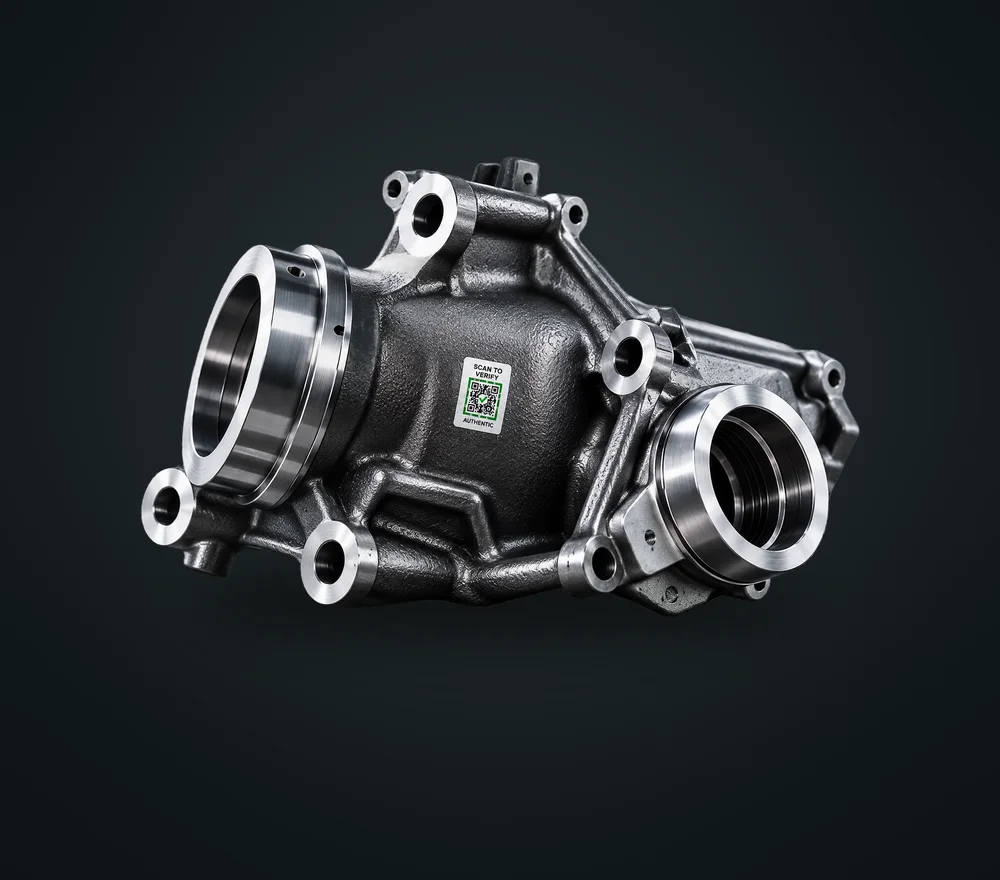
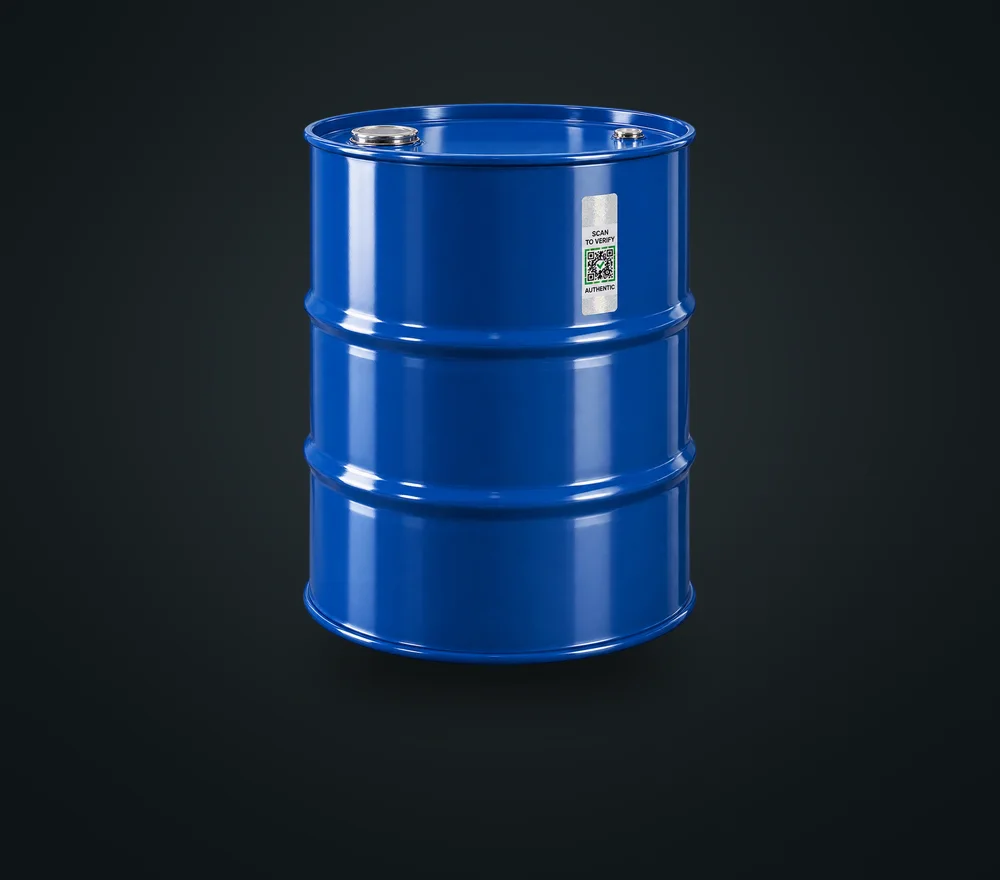
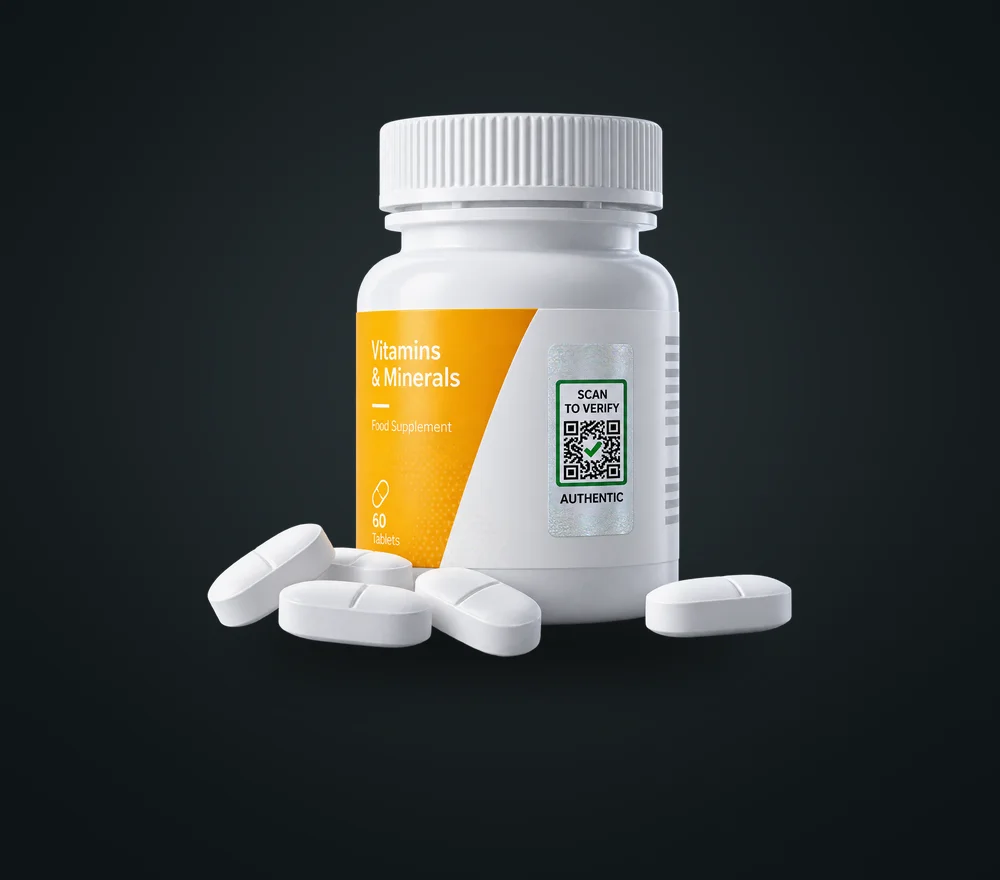
authentic.network is an anti-counterfeit solution for physical products: a patented, copy-evident security code printed on the product or its label and linked to your product data. Any smartphone camera verifies it - no app, no reader; with the authentic app even with no signal. Originals pass, copies fail, and you see where your products are being checked.
What is product authentication, and how is it different from a QR code?
Identification tells you which product something claims to be. Authentication confirms that the item in front of you is the one that claim belongs to. A standard QR code can be copied perfectly, so it identifies but does not authenticate. A copy-evident code fails verification when it is duplicated.
How does authentic.network prevent counterfeit products?
It makes copies visible. Every protected item carries a printed security layer that is linked to your product data. Anyone along the chain - distributor, inspector, customer - scans the code with a normal smartphone and sees whether this item is the original. A counterfeit either carries no valid code or a reproduced one, and a reproduction does not pass the check. Every scan is also recorded, so you see where copies are surfacing instead of hearing about them months later.
Can counterfeiters copy an authentic.network code?
They can copy what the code looks like. The security layer sits in the printed structure of the code itself, and photographing, scanning or reprinting it changes that structure - so the reproduction fails verification while the original passes. That is what the Sample Kit demonstrates: it contains one genuine code and one perfect reprint. You will not see the difference. The scan will.
Can a copy-evident code be reproduced with a high-resolution printer?
No – and not because of print resolution. Codes that rely on a copy becoming blurry (copy detection patterns) are tied to what a phone camera can resolve, and research from the University of Geneva (2021) has shown they can be cloned with industrial printers. Crypto-Optical Technology works differently: bit-block manipulation places the security in the structure of the code itself. A reprint reproduces the picture, not the structure – so it fails the scan, whatever printer made it. The Sample Kit contains exactly that: one original and one industrially printed, high-resolution reprint. Scan both.
What does it cost to protect a product?
Pricing depends on volume, on the code format and on which solutions you switch on, so we quote per case. What is not in the price, at any volume: new production machines, special inks, reader hardware, or an app your customers have to install. The code is printed in the process you already run, and it is verified with the phone people already carry.
Do we have to change our production line?
No. The security layer comes as a ready-to-apply sticker or is integrated into your label artwork, using standard print. authentic.network produces it through a qualified industrial printing partner. No new machines on your line, no special inks.
What is a Digital Product Passport and when does it become mandatory?
A Digital Product Passport is a machine-readable record of a product's origin, materials and lifecycle. It is introduced product group by product group under EU law: the battery passport applies from 18 February 2027, and further product groups follow through delegated acts under the Ecodesign for Sustainable Products Regulation.
Can authentic.network detect grey-market products?
Yes. Every verification scan is recorded with its location, so a unit meant for one market that is verified in another becomes visible. That turns grey-market diversion from a suspicion into something you can act on.
How is the code applied to our products?
In one of two ways. Either we print it as a sticker and ship it to you ready to apply, or we integrate the code into your label artwork and produce the label through our qualified industrial printing partner. No new machines and no special inks are needed in either case.